Media Home
 UN Web TV
 UN Audiovisual Library
 UN Photo
UNEP / GREEN SEATTLE PARTNERSHIP
STORY: UNEP / GREEN SEATTLE PARTNERSHIP
TRT: 04:49
SOURCE: UNEP
RESTRICTIONS: NONE
LANGUAGE: ENGLISH / NATS
DATELINE: 11 JUNE 2026, SEATTLE, WASHINGTON, UNITED STATES
1. Aerial shot, exterior, forested shoreline, and Puget Sound
2. Various low-angle shots, exterior, tree canopy in urban forest
3. Various shots, exterior, Lisa Ciecko walking along forest trail
4. SOUNDBITE (English) Lisa Ciecko, Ecology Team Manager, City of Seattle:
“And so, we were seeing kind of decline in canopy, decline in biodiversity, and with that decline in species, broader species diversity like birds, insects. And these forests are really important remnants of what used to be kind of a broader landscape and ecosystem in the Seattle region. And so, losing that health in just these small remnant areas was really impacting overall ecosystem health in the city, and of course then impacting community health.”
5. Various shots, exterior, Emiline Castillo walking through forest among ferns
6. Various shots, exterior, Emiline Castillo leading Partner in Employment youth group warm-up
7. Various shots, exterior, Emiline Castillo collecting tools from storage box
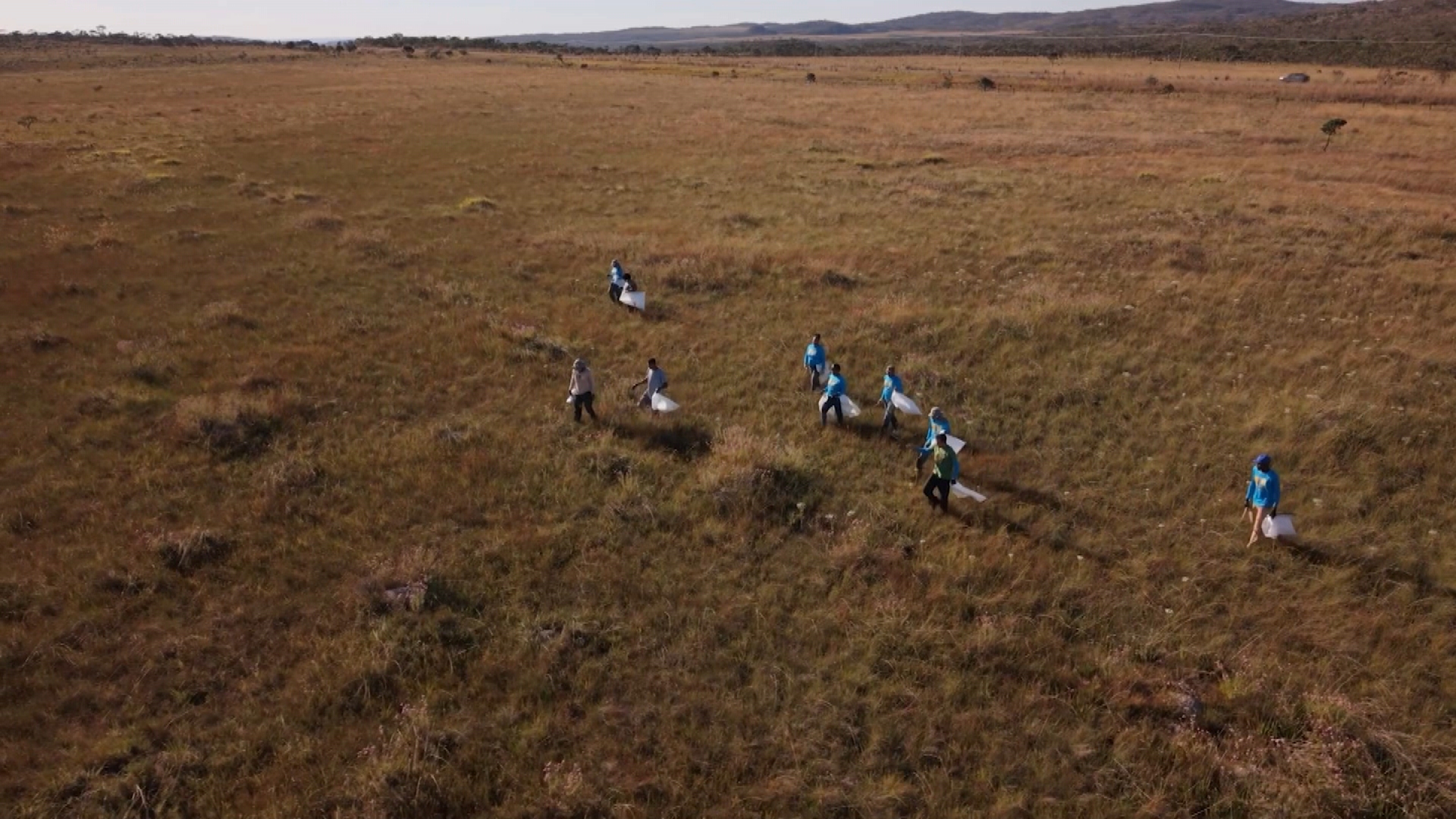
8. Various shots, exterior, youth crews removing invasive plants in meadow
9. SOUNDBITE (English) Emiline Castillo, Lead and Program Representative, Partner in Employment:
“Restoration makes Seattle feel like home to me, because not only do I make an impact on the physical land, but I make an impact on the people.”
10. Various shots, exterior, city crews unloading wire tree guards from trucks and installing them around trees
11. SOUNDBITE (English) Lisa Ciecko, Ecology Team Manager, City of Seattle:
“So Green Seattle Partnership is a really unique model because there’s a big commitment from the start to engage community. As it was developed in 2005, there was a really clear goal to do ecological restoration, and to do that by engaging with community members and really galvanizing an involved and informed community around this body of work, recognizing that if we didn’t have community participation, we weren’t going to have continued ecological restoration. That relationship building was going to be really critical to the success of the program.”
12. Various shots, exterior, volunteers in rain gear removing invasive plants and gathering as a group
13. Various shots, exterior, volunteer weeding in woodland
14. Various shots, exterior, Shameka Gagnier weeding with volunteers
15. SOUNDBITE (English) Shameka Gagnier, Community Steward, Daybreak Star:
“It’s not just the land that’s being restored here. It’s our identities, it’s our place in the circle of things that support our lives. It’s food ways, it’s culture, it’s language, it’s kinship, it’s everything.”
16. Med shot, Gagnier leading volunteers
17. Wide shot, forest
18. SOUNDBITE (English) Susan Gardner, Director, Ecosystems Division, UN Environment Programme (UNEP):
“The UN Decade on Ecosystem Restoration identifies some examples for the world of some of the areas where restoration really works. It works for people, it works for ecosystems, and it actually has an impact at a global scale.”
19. Aerial shot, exterior, Lake Union, and downtown skyline with Mount Rainier
20 SOUNDBITE (English) Susan Gardner, Director, Ecosystems Division, UN Environment Programme (UNEP):
“We’re at the halfway point of the UN Decade on Ecosystem Restoration and already countries are reporting progress on more than 250 million hectares of restoration. This is the largest documented effort for restoration ever reported.”
21. Med shot, exterior, beaver at dam in pond
22. SOUNDBITE (English) Lisa Ciecko, Ecology Team Manager, City of Seattle:
“We’ve installed 1.5 million native plants. We’ve captured as much volunteer hours with the program. We’ve moved forward restoration in over 2,000 acres. And I think really the biggest achievement is that there’s this structure, this container for continued involvement, that people have a chance every day of the week to show up and find a way to contribute.”
23. Various shots, exterior, beaver swimming in pond
24. Various shots, exterior, beaver feeding on creek bank
The United Nations today (29 Oct) recognized Seattle’s Green Seattle Partnership as a World restoration Flagship for its work combining urban forest restoration with efforts to ensure communities across the city can participate in and benefit from restoring nature.
The initiative links community organizations, city agencies, volunteers, and restoration practitioners in Seattle with programmes reconnecting residents to land stewardship and fostering a culture of care. Its work combines community-led restoration events, job training and career pathways programmes for youth and adults, and technical restoration actions, making a collaborative space for residents to shape the natural areas around them.
SOUNDBITE (English) Lisa Ciecko, Ecology Team Manager, City of Seattle:
“And so, we were seeing kind of decline in canopy, decline in biodiversity, and with that decline in species, broader species diversity like birds, insects. And these forests are really important remnants of what used to be kind of a broader landscape and ecosystem in the Seattle region. And so, losing that health in just these small remnant areas was really impacting overall ecosystem health in the city, and of course then impacting community health.”
The Green Seattle Partnership has already restored 831 hectares – around 98 per cent of its 2030 target of 850 hectares. Over its first 20 years, the partnership planted 1.5 million native plants and mobilized a similar number of hours of volunteer work. By 2030, the initiative is projected to train 494 Forest Stewards, and to engage 384 youth in programmes focused on job training and career exposure.
Announced at a high-level event during the UN Biodiversity Conference (CBD COP17) in Yerevan, Armenia, the Green Seattle Partnership was recognized alongside restoration initiatives in China, Colombia, Ethiopia, and Italy.
SOUNDBITE (English) Emiline Castillo, Lead and Program Representative, Partner in Employment:
“Restoration makes Seattle feel like home to me, because not only do I make an impact on the physical land, but I make an impact on the people.”
SOUNDBITE (English) Lisa Ciecko, Ecology Team Manager, City of Seattle:
“So Green Seattle Partnership is a really unique model because there’s a big commitment from the start to engage community. As it was developed in 2005, there was a really clear goal to do ecological restoration, and to do that by engaging with community members and really galvanizing an involved and informed community around this body of work, recognizing that if we didn’t have community participation, we weren’t going to have continued ecological restoration. That relationship building was going to be really critical to the success of the program.”
The World Restoration Flagships are awarded under the UN Decade on Ecosystem Restoration, led by the UN Environment Programme (UNEP) and the Food and Agriculture Organization of the United Nations (FAO). They recognize ambitious and promising examples of large-scale, long-term restoration and contribute to global commitments to restore one billion hectares of degraded ecosystems by 2030 – an area larger than China.
SOUNDBITE (English) Shameka Gagnier, Community Steward, Daybreak Star:
“It’s not just the land that’s being restored here. It’s our identities, it’s our place in the circle of things that support our lives. It’s food ways, it’s culture, it’s language, it’s kinship, it’s everything.”
SOUNDBITE (English) Susan Gardner, Director, Ecosystems Division, UN Environment Programme (UNEP):
“The UN Decade on Ecosystem Restoration identifies some examples for the world of some of the areas where restoration really works. It works for people, it works for ecosystems, and it actually has an impact at a global scale.”
To date, 35 World Restoration Flagships have been recognized, collectively aiming to restore more than 74 million hectares. More than 19 million hectares are already under restoration.
SOUNDBITE (English) Susan Gardner, Director, Ecosystems Division, UN Environment Programme (UNEP):
“We’re at the halfway point of the UN Decade on Ecosystem Restoration and already countries are reporting progress on more than 250 million hectares of restoration. This is the largest documented effort for restoration ever reported.”
SOUNDBITE (English) Lisa Ciecko, Ecology Team Manager, City of Seattle:
“We’ve installed 1.5 million native plants. We’ve captured as much volunteer hours with the program. We’ve moved forward restoration in over 2,000 acres. And I think really the biggest achievement is that there’s this structure, this container for continued involvement, that people have a chance every day of the week to show up and find a way to contribute.”
The Green Seattle Partnership holds events throughout the year, where residents, schools, and other groups work to remove invasive vegetation, plant native species, and care for recovering forests. Now in its third decade, the initiative demonstrates how cities can restore ecosystems, strengthen community leadership, and create opportunities for diverse stakeholders.