









-
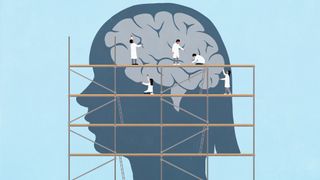 Interview'Now you actually have a blood test': Psychiatry's bible, the DSM, is getting upgraded to include biological markers. A psychiatrist explains what that means for mental health.
Live Science spoke with psychiatrist Anand Kumar about the next edition of the "Diagnostic and Statistical Manual Of Mental Disorders", which will include biological factors like genetics in studying and diagnosing psychiatric conditions.
-
-
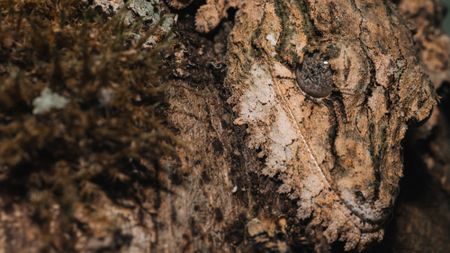 Interview'You start painting pictures of squirrels twirling their mustaches': A biologist on whether animals can lie
Writer Olivia Maule spoke with biologist James O'Hanlon about his book "Liars, Cheats and Copycats."
-
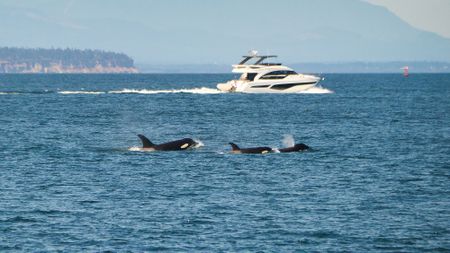 InterviewA psychologist explains his theory for why orcas are attacking boats
Live Science spoke with comparative psychologist Christian Frings to discuss a new theory for why orcas are attacking yachts.
-
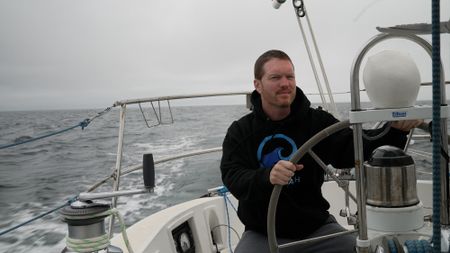 Interview'The Russians were the problem in the end': Sailor Matt Rutherford on being intercepted by the FSB while attempting to circumnavigate the Arctic Ocean solo
Live Science spoke with Matt Rutherford, a sailor and founder of the environmental nonprofit Ocean Research Project, about his attempt to circumnavigate the Arctic Ocean and why he'll have to try again next year.
-
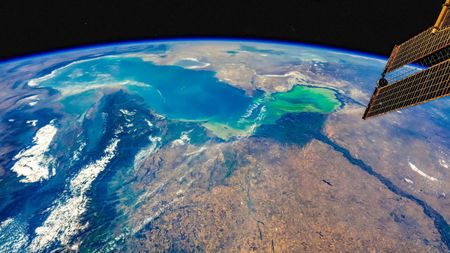 Planet Earth'We used to go to the climate conferences together. We are not anymore': ESA official Simonetta Cheli tells us how the political landscape for Earth observation is changing
Live Science sat down with the European Space Agency's Simonetta Cheli to discuss the importance of Earth observation, how NASA budget cuts have changed the picture, and how the proliferation of private satellites could hinder our ability to view the planet.
-


-
-
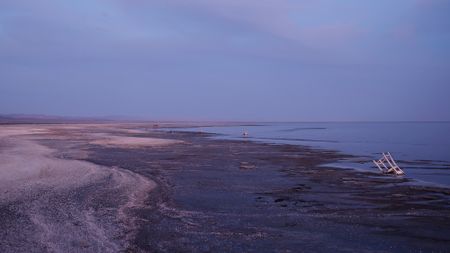 InterviewOnce a 'miracle in the desert,' California's Salton Sea now spreads toxic dust on vulnerable communities
Medical anthropologist Ann Cheney speaks to Live Science writer Sascha Pare about the heavy toll toxic dust from California's largest inland lake takes on marginalized communities.
-
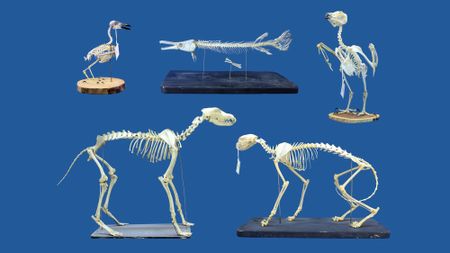 Interview'We were genuinely surprised': 'Superworms' can clean extremely delicate skeletons lickety-split, and that's a game changer for museums
Biologists Niloofar Alaei Kakhki and Morteza Monfared tell Live Science how beetle larvae could be repurposed from pet food to a cleaner for museums and laboratories.
-
 Interview'It affects your daily life suddenly': Sea level researcher explains why once-in-a-century floods could become the new normal
Live Science spoke with sea level expert Sönke Dangendorf about how human-caused sea-level rise is increasing extreme water levels, as once-in-a-century flooding events become decadal.
-
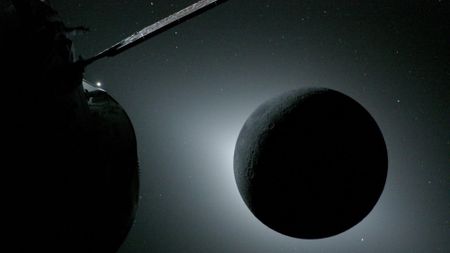 Interview'The moon looked wrong': Artemis II mission controller Chris White tells the story behind NASA's historic photos
Artemis II lead communications officer Chris White describes the tensest and most shocking moments of the historic moon mission, as seen from his desk at mission control in Houston.
-
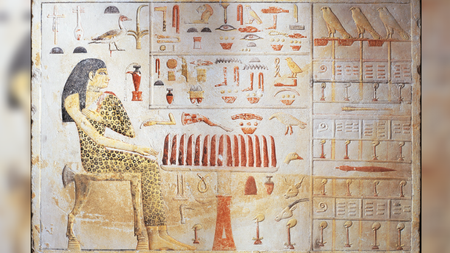 Interview'Some people called it horrifying': 'Dinner with King Tut' author on using Egyptian mummification techniques on a modern-day human body
"A lot of the book was actually me floundering around, failing to complete the projects or figuring out what I was doing wrong," author Sam Kean says about his experimental archaeology adventures.
-
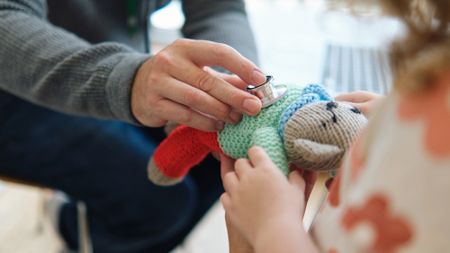 Interview'800 seconds for a sick visit': Some factors driving antibiotic resistance have nothing to do with biology, says medical sociologist Julia Szymczak
Doctors' decisions around antibiotics aren't as logical as you might assume; they can be skewed by emotional and social factors, a medical sociologist explains.
-
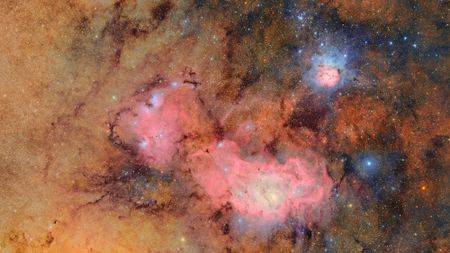 Interview'It's more than a hope, it's a guarantee': The Vera C. Rubin Observatory's 10-year movie of the universe is about to 'blow our minds,' chief scientist says
The Vera C. Rubin Observatory has begun its Legacy Survey of Space and Time, a 10-year mission to map the entire southern sky many times over. Chief Scientist Tony Tyson tells us why the survey could be remembered 100 years from now, if bright corporate satellites don't ruin the view.
-
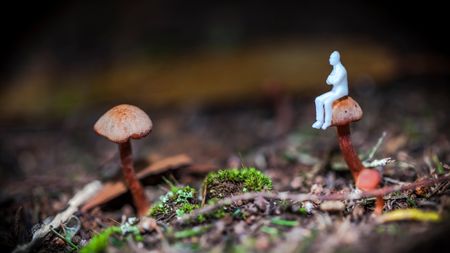 INTERVIEW'It sounds so impossible': Student studying fungus that makes users hallucinate tiny people may be on the verge of a scientific breakthrough
Live Science spoke with Colin Domnauer, a PhD student in ethnobiology whose unraveling of a mushroom mystery could reveal a new hallucinogenic compound.
22 Comments -
 Interview'Is it really necessary to generate another image?': UN scientist explains how everyday people can limit AI's environmental impact
Live Science spoke with Kaveh Madani, the lead investigator of a United Nations report examining AI's environmental footprint, about this technology's staggering energy use and what users can do to limit their impact.
12 Comments
-


