









-
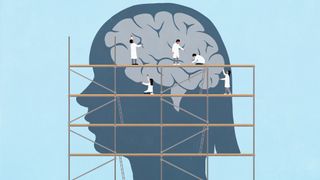 Interview'Now you actually have a blood test': Psychiatry's bible, the DSM, is getting upgraded to include biological markers. A psychiatrist explains what that means for mental health.
Live Science spoke with psychiatrist Anand Kumar about the next edition of the "Diagnostic and Statistical Manual Of Mental Disorders", which will include biological factors like genetics in studying and diagnosing psychiatric conditions.
-
-
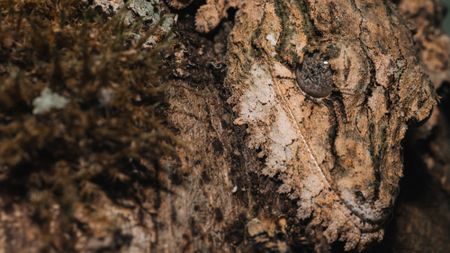 Interview'You start painting pictures of squirrels twirling their mustaches': A biologist on whether animals can lie
Writer Olivia Maule spoke with biologist James O'Hanlon about his book "Liars, Cheats and Copycats."
-
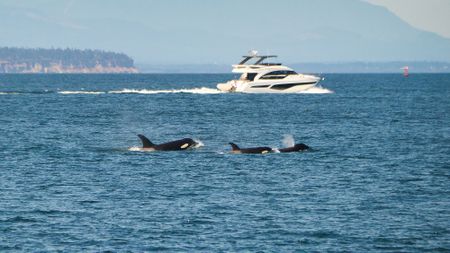 InterviewA psychologist explains his theory for why orcas are attacking boats
Live Science spoke with comparative psychologist Christian Frings to discuss a new theory for why orcas are attacking yachts.
-
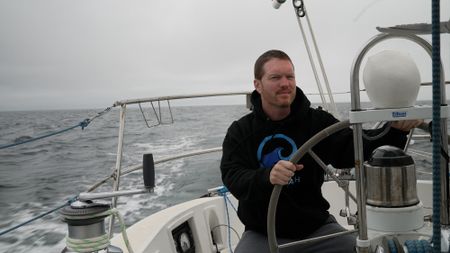 Interview'The Russians were the problem in the end': Sailor Matt Rutherford on being intercepted by the FSB while attempting to circumnavigate the Arctic Ocean solo
Live Science spoke with Matt Rutherford, a sailor and founder of the environmental nonprofit Ocean Research Project, about his attempt to circumnavigate the Arctic Ocean and why he'll have to try again next year.
-
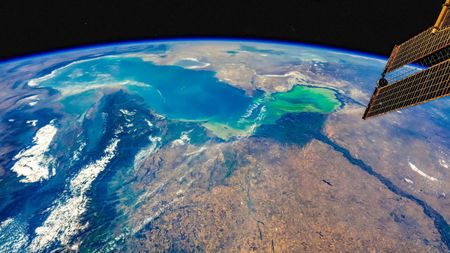 Planet Earth'We used to go to the climate conferences together. We are not anymore': ESA official Simonetta Cheli tells us how the political landscape for Earth observation is changing
Live Science sat down with the European Space Agency's Simonetta Cheli to discuss the importance of Earth observation, how NASA budget cuts have changed the picture, and how the proliferation of private satellites could hinder our ability to view the planet.
-


-
-
 INTERVIEW'It cuts both ways': Positive tipping points can restore wrecked ecosystems — we just need to trigger them, Earth system scientist Tim Lenton says
Live Science spoke with Tim Lenton, founding director of the Global Systems Institute at the University of Exeter, about human actions that can trigger positive, self-propelling changes in nature.
-
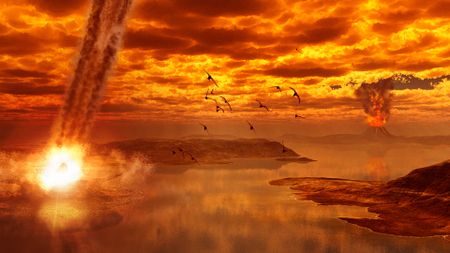 Interview'I'm more hopeful that birds can endure than maybe even our own species': Paleontologist Steve Brusatte on why birds are the ultimate survivors
In a new book, paleontologist Steve Brusatte tells the wild story of how birds evolved during the Jurassic and took to the skies, surviving the asteroid strike that killed their fellow dinosaurs.
4 Comments -
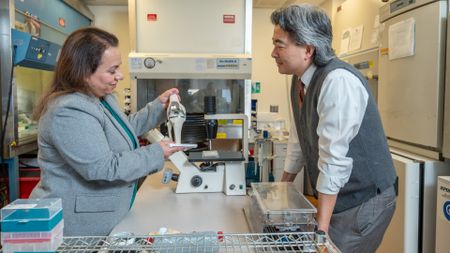 INTERVIEW'Eventually, it becomes you': Inventors of new 'living' knee replacement describe why this tech is desperately needed and how it works
Live Science spoke with the developers of a living knee implant that could help more patients in need of knee replacements get them.
2 Comments -
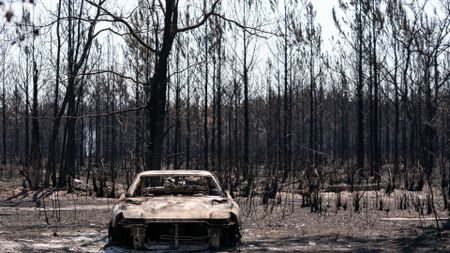 Climate change'The push towards renewables is unstoppable because it's in a country's self-interest': Climate scientist Andy Reisinger on Trump, Iran, and the future of Earth
Once global warming peaks, it could take centuries to cool things back down. But we can bend the curve by cutting fossil fuel emissions now.
-
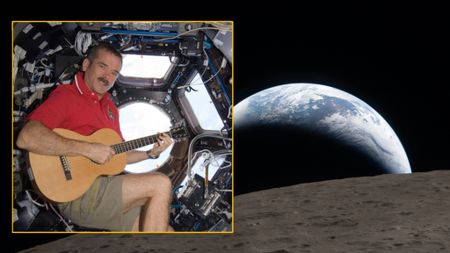 Interview'A measurable, enormous global impact': Astronaut Chris Hadfield on why the true power of Artemis II could take decades to hit
Astronaut Chris Hadfield shares his emotional response to the Artemis II mission, and why it could change the course of people's futures.
-
 Interview'The chances of you living 50 years are very small': Theoretical physicist explains why humanity likely won't survive to see all the forces unified
Live Science spoke with Nobel prize-winning physicist David Gross, who recently received the $3 million Special Breakthrough Prize in Fundamental Physics, about the quest to unite all the forces and why humanity might not live to see a unified theory.
29 Comments -
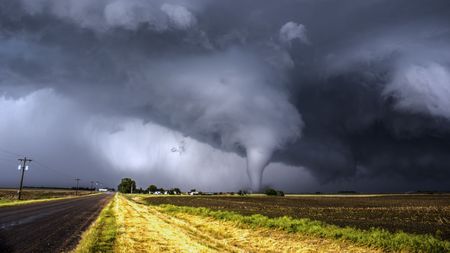 Interview'I've seen the movies. What a horrible way to die': What it's like to be sucked into a tornado and survive
Perry Samson was helping students conduct field experiments on supercell storms in Kansas in 2008 when one suddenly turned into a tornado and dragged him in.
2 Comments -
 Planet Earth'In every continent where humans are present, water bankruptcy is manifesting itself': Exiled Iranian scientist Kaveh Madani on our desperate need to preserve our most precious resource
Live Science spoke with Kaveh Madani, director of the UN University Institute for Water, Environment and Health and recipient of the 2026 Stockholm Water Prize, about "water bankruptcy" and what countries should do to avoid catastrophe.
10 Comments -
 INTERVIEW'They are literally everywhere': The shocking story of how forever chemicals polluted the world
Live Science spoke with Mariah Blake, an investigative journalist and author of the book "They Poisoned The World," about one of the greatest corporate scandals in history.
6 Comments
-


