









-
 InterviewA psychologist explains his theory for why orcas are attacking boats
Live Science spoke with comparative psychologist Christian Frings to discuss a new theory for why orcas are attacking yachts.
-
-
 Interview'The Russians were the problem in the end': Sailor Matt Rutherford on being intercepted by the FSB while attempting to circumnavigate the Arctic Ocean solo
Live Science spoke with Matt Rutherford, a sailor and founder of the environmental nonprofit Ocean Research Project, about his attempt to circumnavigate the Arctic Ocean and why he'll have to try again next year.
-
 Planet Earth'We used to go to the climate conferences together. We are not anymore': ESA official Simonetta Cheli tells us how the political landscape for Earth observation is changing
Live Science sat down with the European Space Agency's Simonetta Cheli to discuss the importance of Earth observation, how NASA budget cuts have changed the picture, and how the proliferation of private satellites could hinder our ability to view the planet.
-
 Interview'It gives us a glimpse of a different kind of Viking life': Archaeologist Neil Price on the sea-kings, sorcerers and Sámi who lived during the Viking Age
Archaeologist Neil Price delves into the lives and deaths of Viking Age people, including warriors, traders, thralls, sorcerers and children.
-
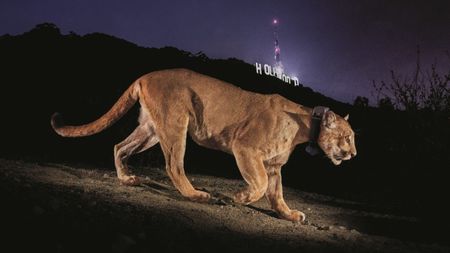 InterviewPhotojournalist Steve Winter on his iconic Hollywood puma image, the illegal tiger trade and having a black panther knock on his door
Live Science spoke with Steve Winter ahead of the release of "Big Cats."
-


-
-
 InterviewCould psilocybin treat brain injuries? Neuroscientist explains how psychedelics could fill a gap in head trauma care
Live Science spoke with neuroscientist Argel Aguilar-Valles about recent research exploring psychedelics as a treatment for mild head trauma.
-
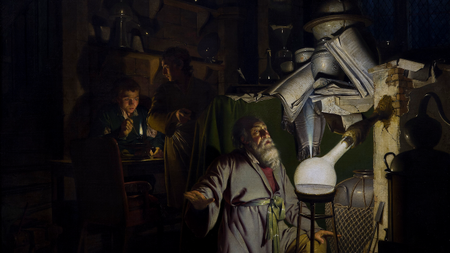 Book prize winner'His urine goes on tour around Europe, showing the kings and queens this glowing pee'
Science writer Kit Chapman on the weird world of alchemy before chemistry.
-
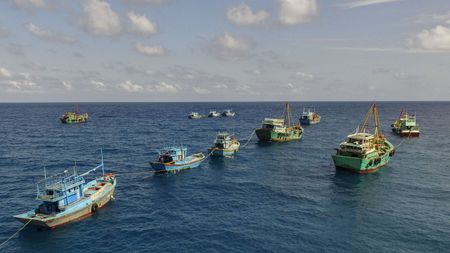 InterviewAuthor Rose George dives into the dark depths of the fishing industry
Live Science spoke with Rose George, journalist and author of "Every Last Fish," about her book on the fishing industry.
-
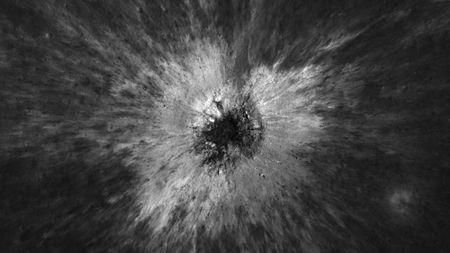 Interview'Once every 130 years': A huge new crater on the moon could be a giant leap for lunar science, researcher says
Scientists using NASA's Lunar Reconnaissance Orbiter (LRO) have discovered McGetchin crater, a giant new impact structure measuring more than 700 feet wide. LRO investigator Julie Stopar explains what the discovery could mean for humanity's future on the moon.
-
 Interview'Every time it gets excited — boom — it collapses': How dogs with narcolepsy helped scientists understand the disorder
Live Science spoke with Dr. Emmanuel Mignot, director of the Stanford Center for Narcolepsy and co-winner of a coveted Lasker Award.
-
 InterviewAuthor Lise Barnéoud on the bizarre and provoking world of microchimerism — when cells from one person live in another, genetically distinct individual
Journalist and author Lise Barnéoud talks to Live Science about her book "Hidden Guests," which dives into the field of microchimerism and how it's transforming our knowledge of genetics, immunology and evolution.
-
 InterviewConcussion expert explains why viral CTE study may not be as scary as it sounds
A new study suggests that at least 1 in 4 former NFL players who died in recent years had CTE. Concussion expert Thayne Munce puts the finding into context.
-
 InterviewNeuroscientist Steve Ramirez studies the physical basis of memory in a quest to manipulate it
Steve Ramirez, a neuroscientist and author of "How to Change a Memory," tells editor Hannah Osborne about the science and ethics of memory manipulation, and the incredible power of our brains to recall our past.
-
 InterviewMeet the scientists 3D printing corneas to restore people's vision
New 3D-printed corneal implants could help make up for the shortage of donor corneas available for transplant procedures, say Precise Bio co-founders Aryeh Batt and Dr. Anthony Atala.
-


