Visitar URL original

 Open Access
ISSN:2164-6325 (print)
ISSN:2164-6341 (online)
Publication Frequency:Monthly





The Journal of Renewable Materials (JRM) is an interdisciplinary journal publishing original research covering all aspects of renewable materials, namely bio-based materials, sustainable materials, green chemistry and including recycling and recovery of spent materials. The scope of the journal is devoted to reports of new and original experimental and theoretical research in the areas of materials, engineering, physics, bioscience, processing, environmental science and chemistry, which are related to renewable materials and their applications.
Ei Compendex/Engineering Village (Elsevier); Scopus Citescore (Impact per Publication 2025): 5.9 Q2 (Materials Science, 85/256; Environmental Science, 88/307); SNIP (Source Normalized Impact per Paper 2025): 0.71; Google Scholar h5-index 31, ranking 5 in Wood Science &Technology; Chemical Abstracting Services; Polymer Library; Baidu Xueshu (China); Portico, etc...
Notice: Please make new submissions of JRM to TSP system (https://ijs.tspsubmission.com/homepage) from 1 September 2026. To view your previous submissions, please access the old system (ScholarOne) (https://mc03.manuscriptcentral.com/jrenewmater).
 Open Access
REVIEW
Journal of Renewable Materials, Vol.14, No.10, 2026, DOI:10.32604/jrm.2026.02026-0045 - 27 October 2026
(This article belongs to the Special Issue: Recent Advances on Renewable Materials)
Abstract Oil spill accidents and extensive industrial oily wastewater discharge pose severe threats to aquatic ecosystems and public health. Membrane-based separation technology has emerged as a core technology for treating oily wastewater. However, conventional petroleum-derived materials suffer from inherent limitations, including non-renewability, poor biodegradability, and high risks of secondary environmental contamination. Bio-based polymers represent a competitive alternative in oil/water separation due to their renewability, biodegradability, and versatile sources. Interfacial engineering serves as the core strategy for optimizing their high performance and multifunctionality. In this review, the fundamental interfacial chemistry theories of oil/water separation are systematically elaborated More >
Open Access
ARTICLE
Journal of Renewable Materials, Vol.14, No.10, 2026, DOI:10.32604/jrm.2026.02026-0100 - 27 October 2026
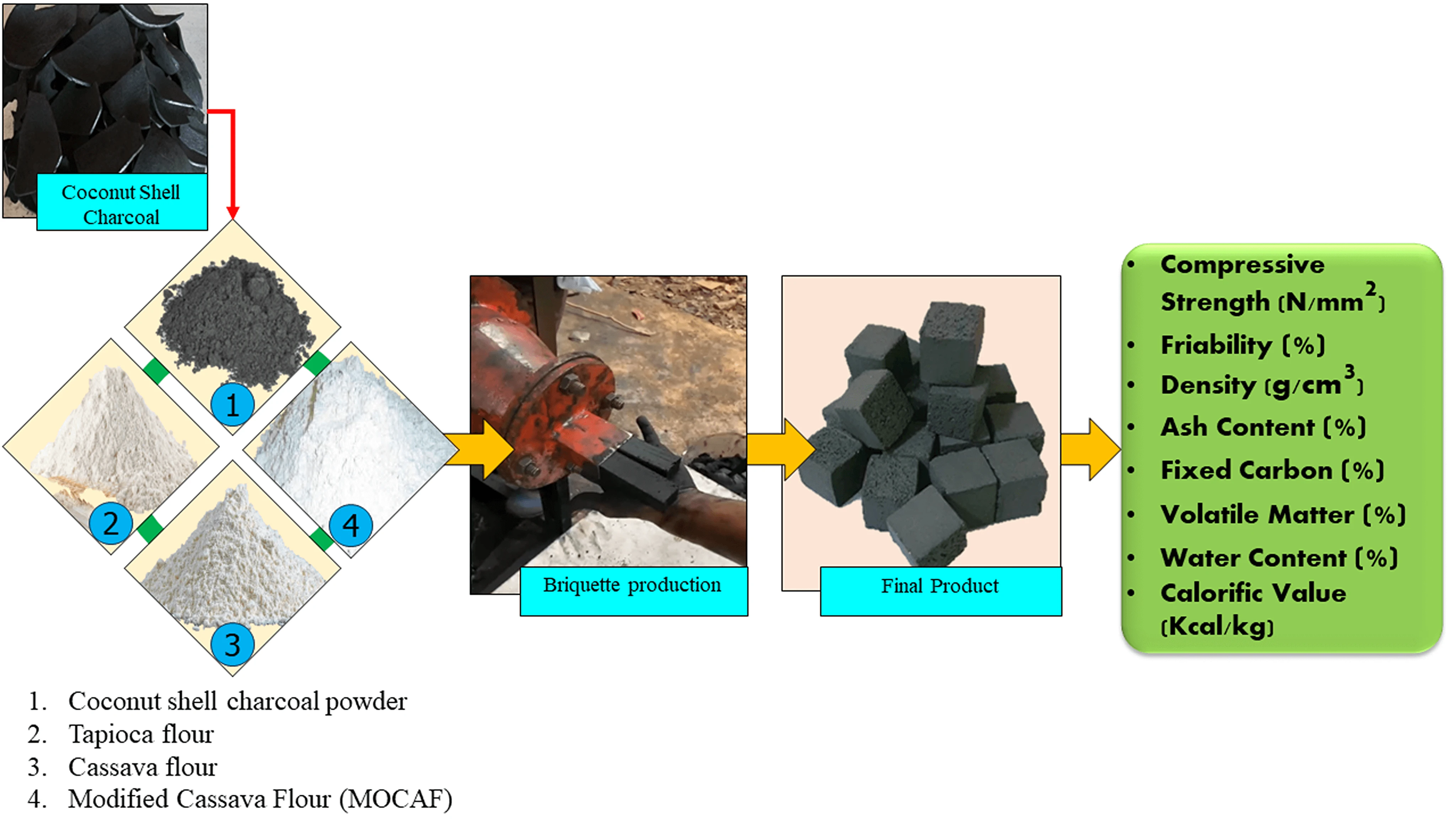
Abstract In this study, Lysine-based Amino Acid-derived Deep Eutectic Solvents (Lys-AADESs) were employed as reactive media for lignin modification, followed by substitution of 80%, 90%, and 100% of phenol in phenol-formaldehyde (PF) resin formulations. Lignin properties were investigated, and adhesive performance was evaluated via plywood manufacturing tests. Fourier-transform infrared spectroscopy (FTIR) analysis revealed substantial structural and functional-group changes in lignin following Lys-AADES treatment, particularly involving ether/C–O-containing functionalities and hydroxyl-related groups. Reactive amino (–NH2) groups promoted chemical interactions with formaldehyde during resin synthesis. Differential Scanning Calorimetry (DSC) showed a reduction in the glass transition temperature of lignin from… More >
Graphic Abstract

Open Access
ARTICLE
Journal of Renewable Materials, Vol.14, No.10, 2026, DOI:10.32604/jrm.2026.02025-0213 - 27 October 2026
(This article belongs to the Special Issue: Biomass-based Thermoset and Thermoplastic Polymers for Biomass-based Composites)
Abstract The growing demand for lightweight and sustainable materials has driven increasing interest in biodegradable composites for structural applications. This study investigates the low-velocity impact response of hybrid PLA/kenaf/rayon-derived carbon fiber sandwich composites reinforced with graphene and nanoclay nanofillers. Skin layers were prepared with 1, 3, and 5 wt.% nanofiller loadings, while the core consisted of PLA modified with phenolic microspheres. Impact testing was conducted at 7 and 10 J to evaluate peak force, absorbed energy, and deformation behavior. Results indicate that 1 wt.% nanofiller loading generally provided higher absorbed energy compared to higher filler concentrations. More >
Open Access
ARTICLE
Journal of Renewable Materials, Vol.14, No.10, 2026, DOI:10.32604/jrm.2026.02026-0086 - 27 October 2026
Abstract The behavior of 3D-printed biocomposites as substitutes for products made with plant fibers depends on the factors involved during the printing process. This study focuses on the use of a predictive model to evaluate the effect of printing parameters on the physical and mechanical properties of biocomposites printed with PLA filaments reinforced with vegetal pulverized fibers. During fabrication, the following factors were varied: reinforced filament type, build orientation, layer height, infill density, and infill pattern. The physical and mechanical properties of the printed specimens (density, absorption capacity, swelling percentage, rupture modulus, and flexural elasticity modulus)… More >
Graphic Abstract

Open Access
ARTICLE
Journal of Renewable Materials, Vol.14, No.10, 2026, DOI:10.32604/jrm.2026.02026-0092 - 27 October 2026
Abstract To investigate the effects of different high-temperature drying-set treatment processes on the drying characteristics of 120 mm thick Scots pine (Pinus sylvestris var. mongolica) square timber, six drying schedules were designed. Temperature and moisture content distribution, drying rate, checking behavior, and residual stress variations were measured and analyzed. The results showed that a surface temperature exceeding 100°C during the drying-set stage was essential for promoting effective surface shrinkage and forming a stable drying-set layer. The 105°C treatment failed to achieve this condition, resulting in severe surface checking. In contrast, the 120°C treatment provided suitable conditions for forming… More >
Open Access
ARTICLE
Journal of Renewable Materials, Vol.14, No.10, 2026, DOI:10.32604/jrm.2026.02026-0043 - 27 October 2026
Abstract The development of renewable and bio-based materials with functional performance comparable to conventional plastics remains a key challenge in sustainable packaging. In this study, bio-based multilayer films were fabricated using polylactic acid (PLA) as a renewable polyester substrate, combined with chitosan (CS) and propolis (PRP) as naturally derived functional layers. Sequential surface coating enabled the formation of multilayer architectures integrating complementary structural and antimicrobial properties from bio-derived constituents. Trilayer PLA/CS/PRP films exhibited significantly increased thickness and opacity compared with neat PLA, along with higher (p < 0.05) water vapour permeability. Mechanical analysis showed significant reductions (p… More >
Graphic Abstract


 Login
 Register

 Submit a Paper
 Propose a Special lssue